Coleção de rodas
Rodas. Do seu jeito.
De rodas forjadas de uma peça a configurações personalizadas de duas peças, a ROOVA ajuda marcas e distribuidores a transformar um briefing de design em uma especificação pronta para produção.
Conheça a linha01 / 03

01 / 03


A precisão leva mais longe.
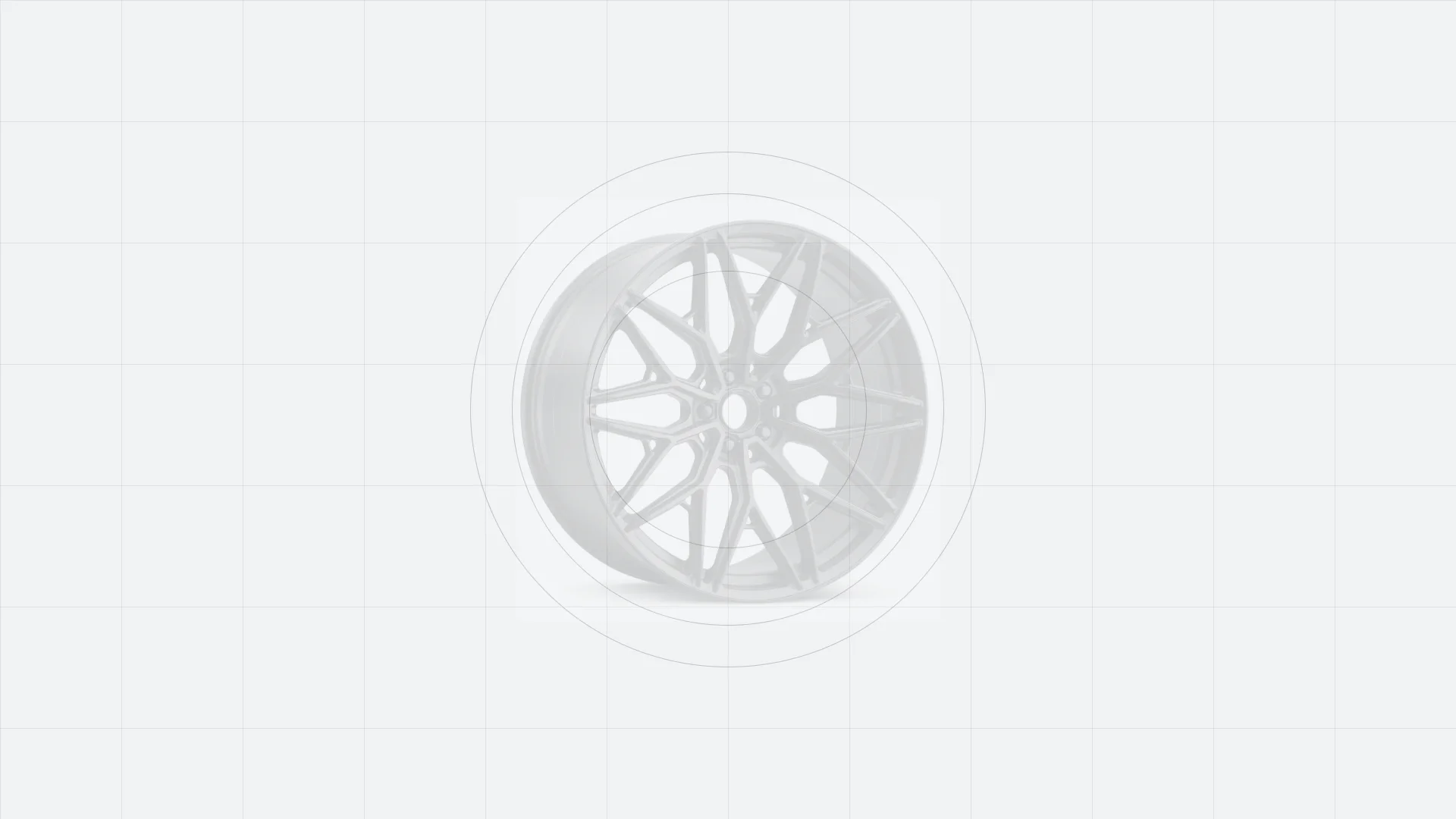
Projeto personalizado
Sua jornada de rodas sob medida.
Da ideia ao desempenho pronto para a estrada, feito para o seu veículo.
 01
Escolha seu estilo
Explore estilos de rodas forjadas ou compartilhe sua inspiração.
 02
Confirme as especificações
Confirme tamanho, PCD, offset, furo central e acabamento.
 03
Receba seu projeto
A ROOVA prepara um desenho detalhado da roda para sua aprovação.
 04
Fabricação de precisão
Suas rodas sob medida são usinadas em CNC e passam por controle de qualidade.
 05
Entrega mundial
Embalagem segura e envio internacional até o seu destino.
Fabricação controlada
Produção processo.
FORGING
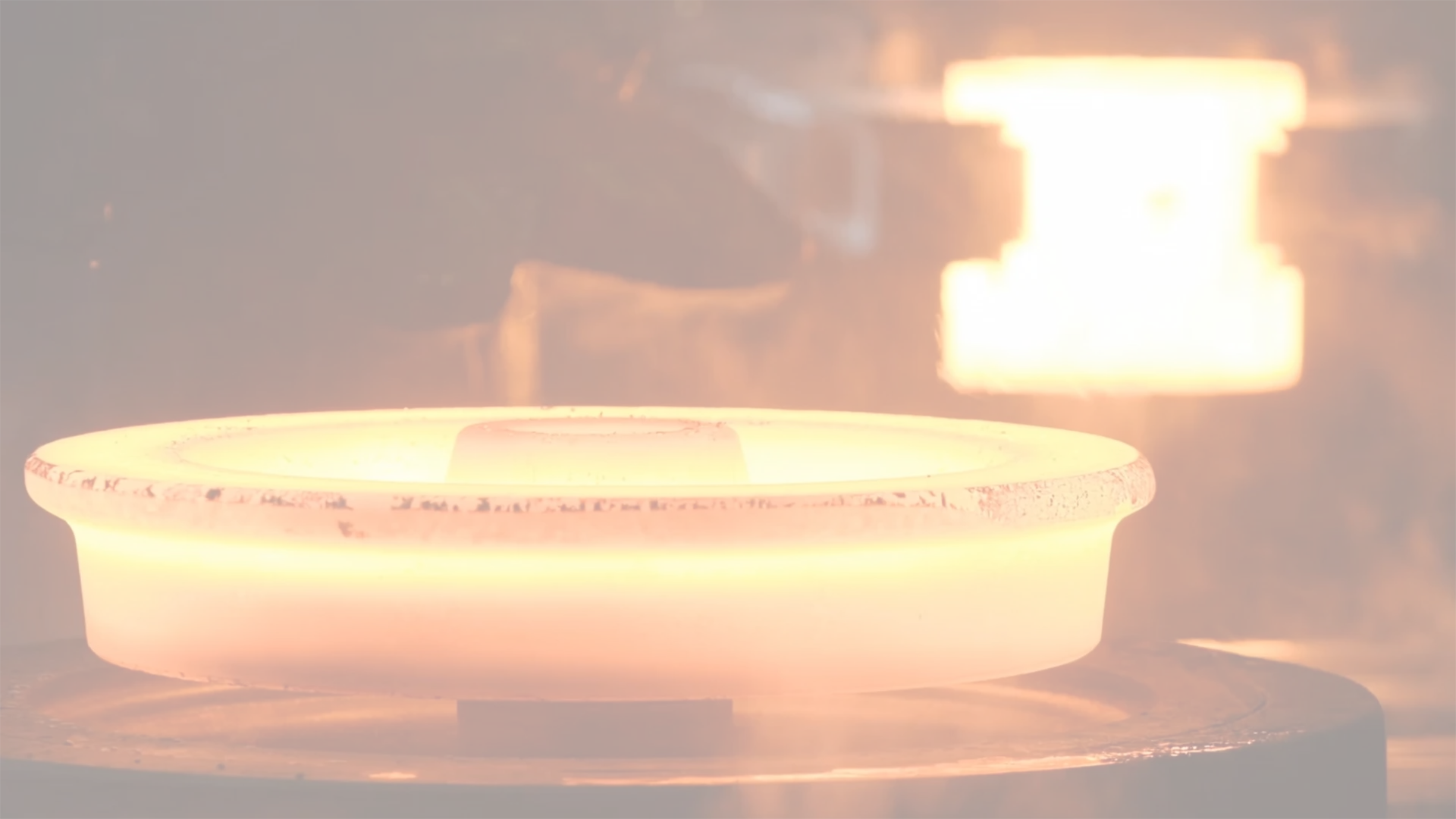
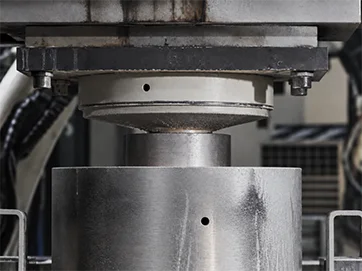
Cada roda começa como um bloco maciço de liga de alumínio. O bloco é colocado em uma prensa de forjamento e comprimido sob enorme pressão, compactando a estrutura granular do metal: sua densidade molecular aumenta e se distribui uniformemente por uma área muito maior. Assim, o material ganha resistência e resistência a impactos enquanto reduz peso, e o contorno básico do disco já toma forma.
FLOW FORMING
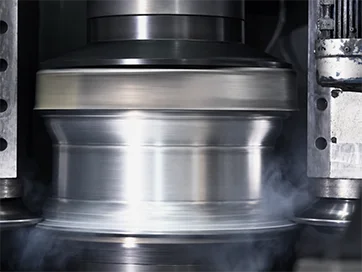
A peça forjada sai da prensa como um disco plano, mas a roda também precisa da seção externa: o aro. Uma máquina de flow forming prende a borda do disco e a estende para fora sob pressão, transformando o metal em um cilindro oco. Como o aro é comprimido uma segunda vez nesta etapa, sua densidade aumenta novamente e a roda final fica muito mais resistente.
HEAT TREATMENT
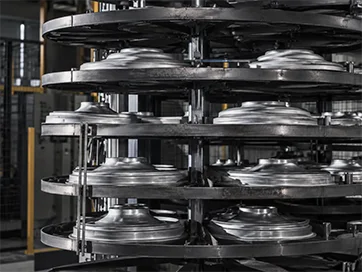
A roda passa então por um ciclo de tratamento térmico entre 200 e 500 graus Celsius. Isso redistribui a estrutura interna do metal, tornando-a mais uniforme e estável e relaxando as tensões deixadas pelo forjamento e pelo trabalho a frio. A elasticidade é recuperada, aumentando a resistência da liga de alumínio e sua resistência a impactos.
LATHE CUTTING
No torno, ferramentas de corte trabalham as superfícies do aro até suas dimensões finais. O material é removido da área do aro para dar à roda o perfil definido pelo projeto e manter cada dimensão crítica dentro das tolerâncias exigidas pela especificação.

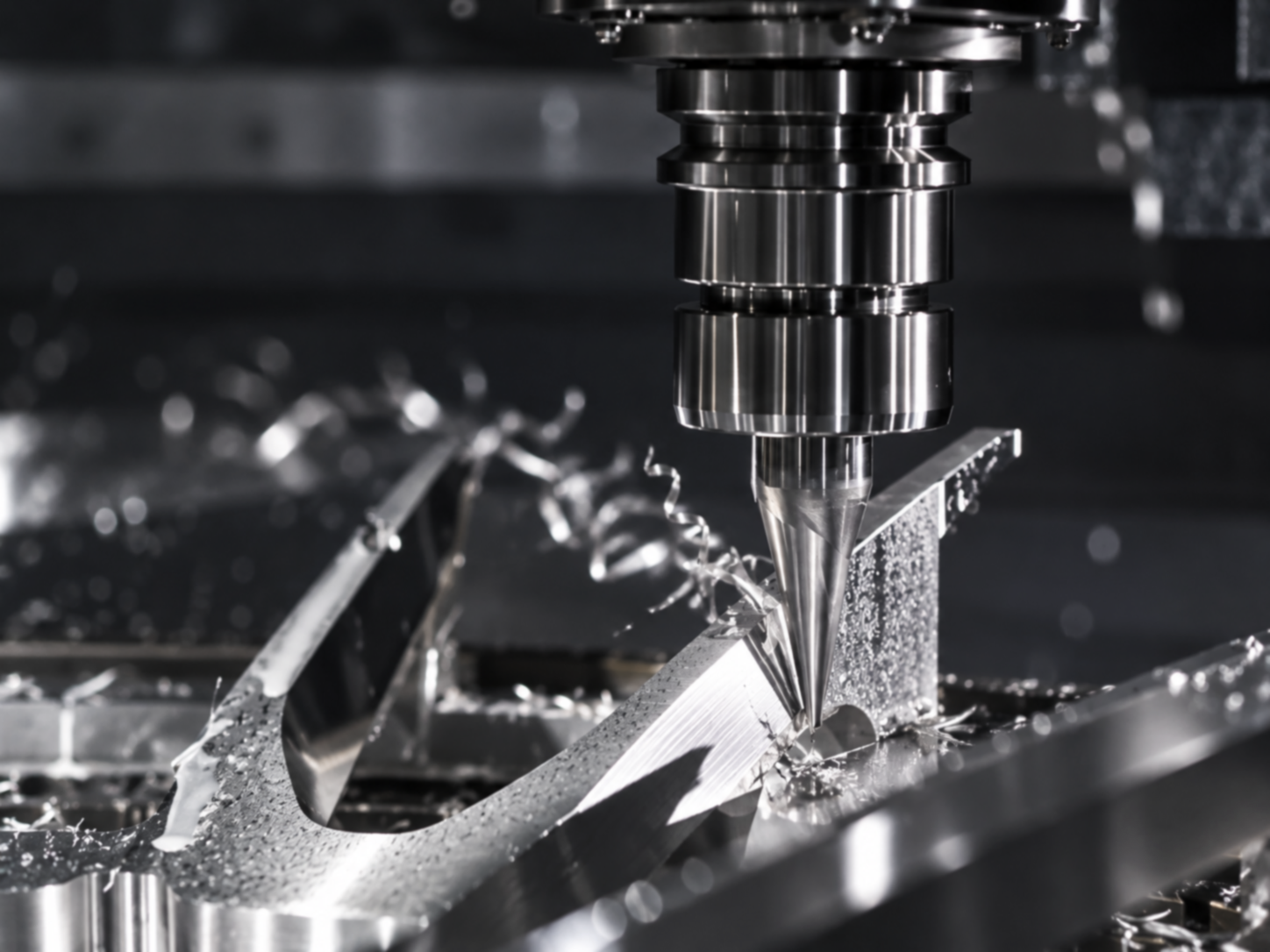
MILLING
Milling gives the disc its finished appearance: the number of spokes and the fine detailing of the wheel design are all cut at this stage, exactly as defined in the approved drawing. A one-piece (monoblock) design demands a greater cutting volume and deeper tool travel, so these programmes are run on more capable equipment such as a 4-axis or 5-axis milling machine.
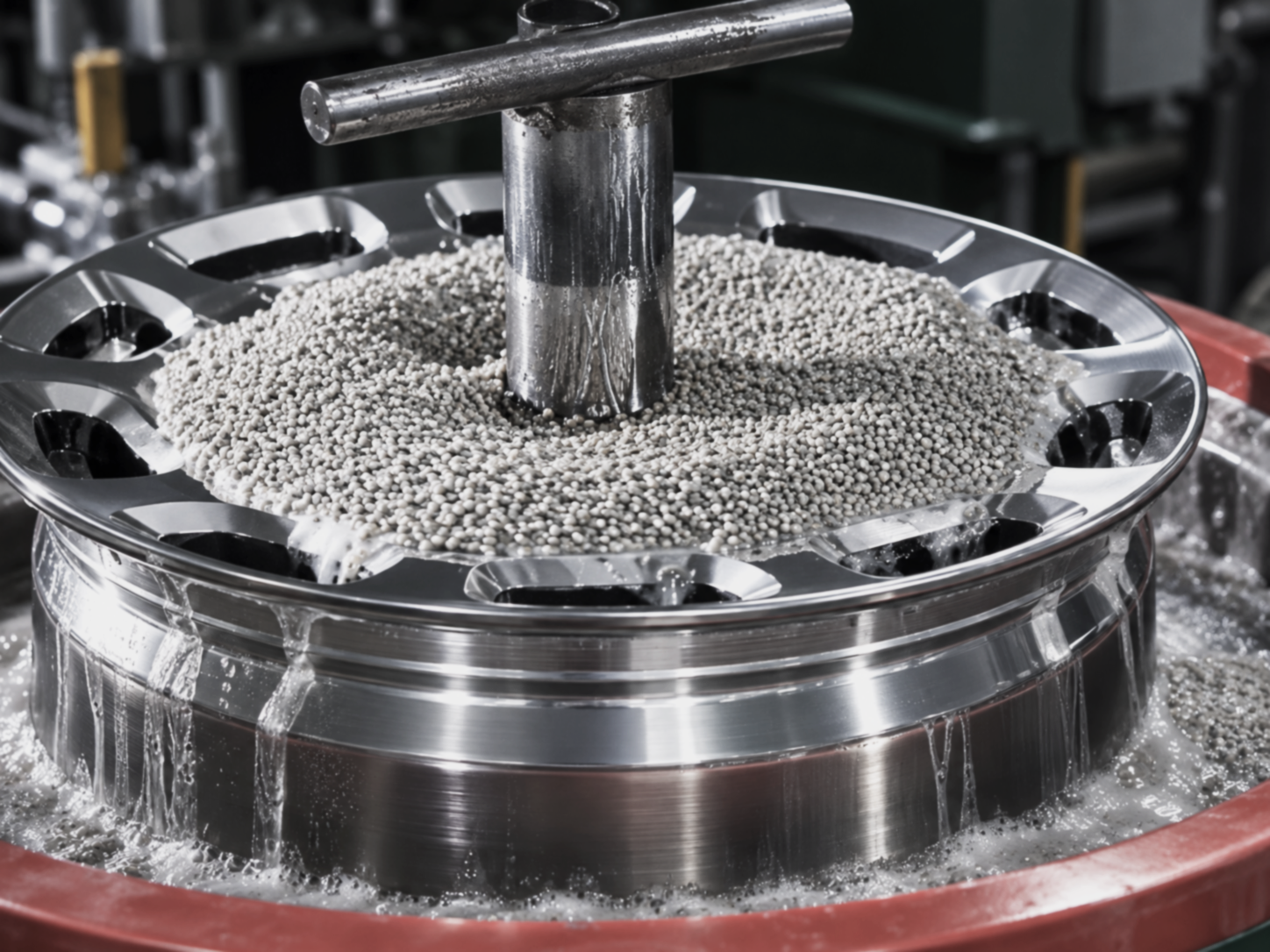
GRINDING AND POLISHING
Once the wheels have been painted, they are ground and polished to bring out the full depth and perfection of the paint finish. The same stage is also used to verify the quality of the spray work. Every wheel is inspected continuously along the way, which is what allows each one to reach the customer in the best possible condition.
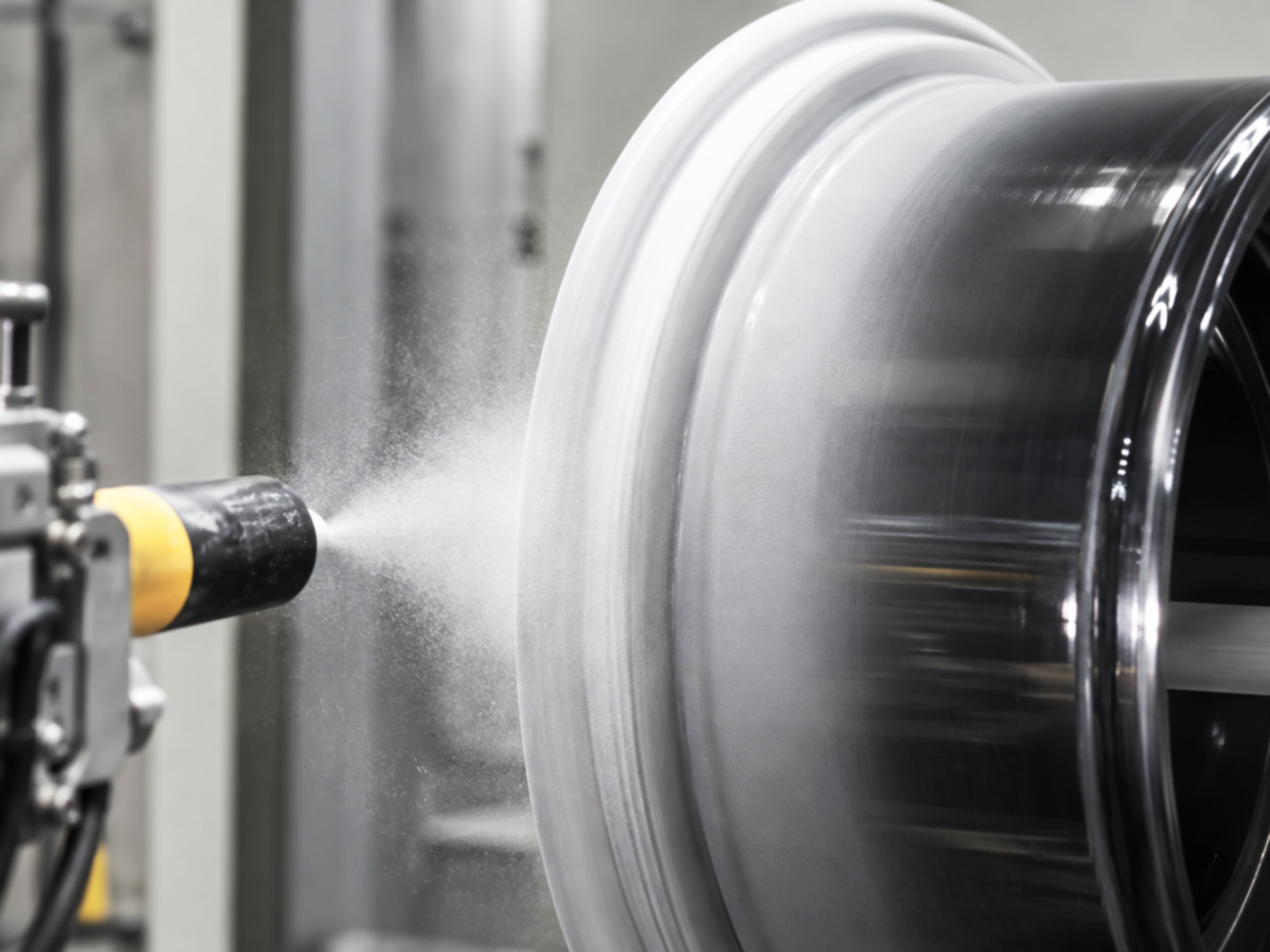
PAINTING, ASSEMBLY
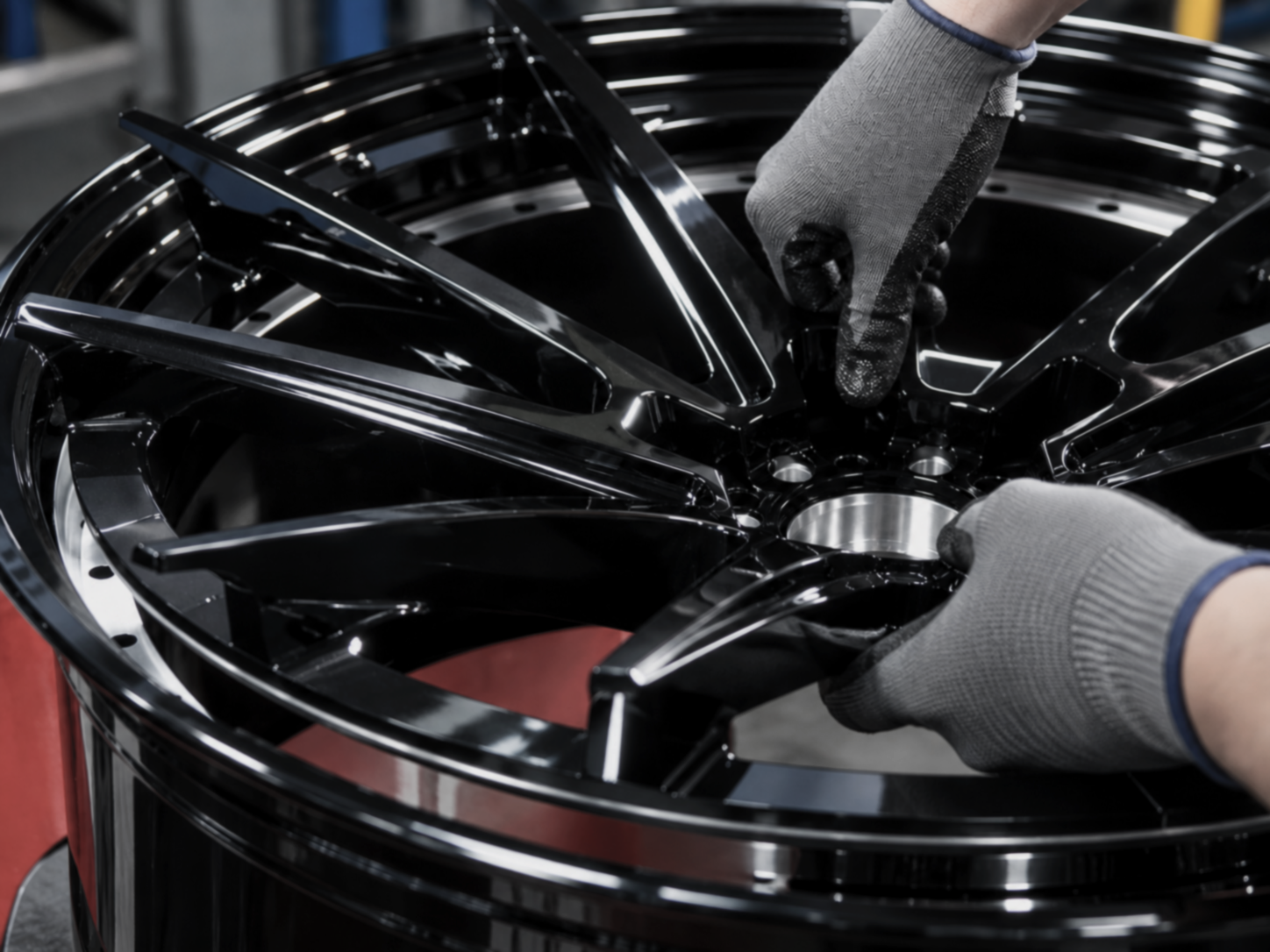
Final assembly takes place in this area: fitting the valve stem, mounting the centre cap, and joining the halves of a two-piece wheel. Every screw on a two-piece wheel is tightened by hand with the help of a torque wrench, so that all of them carry an identical load and none is overlooked. Each fastener is then marked so that any loosening can be spotted during later inspection, and the torque wrenches themselves are recalibrated on a regular schedule.
PACKAGING AND ASSEMBLY
With manufacturing complete, the wheel moves to packing and dispatch. The first step is to cover the face of the disc with a protective cloth, which keeps the surface free from damage in transit. Cushioning material is then placed inside the box, since proper shock absorption in the carton is what ultimately protects the wheel on its journey.
RADIAL FATIGUE TEST
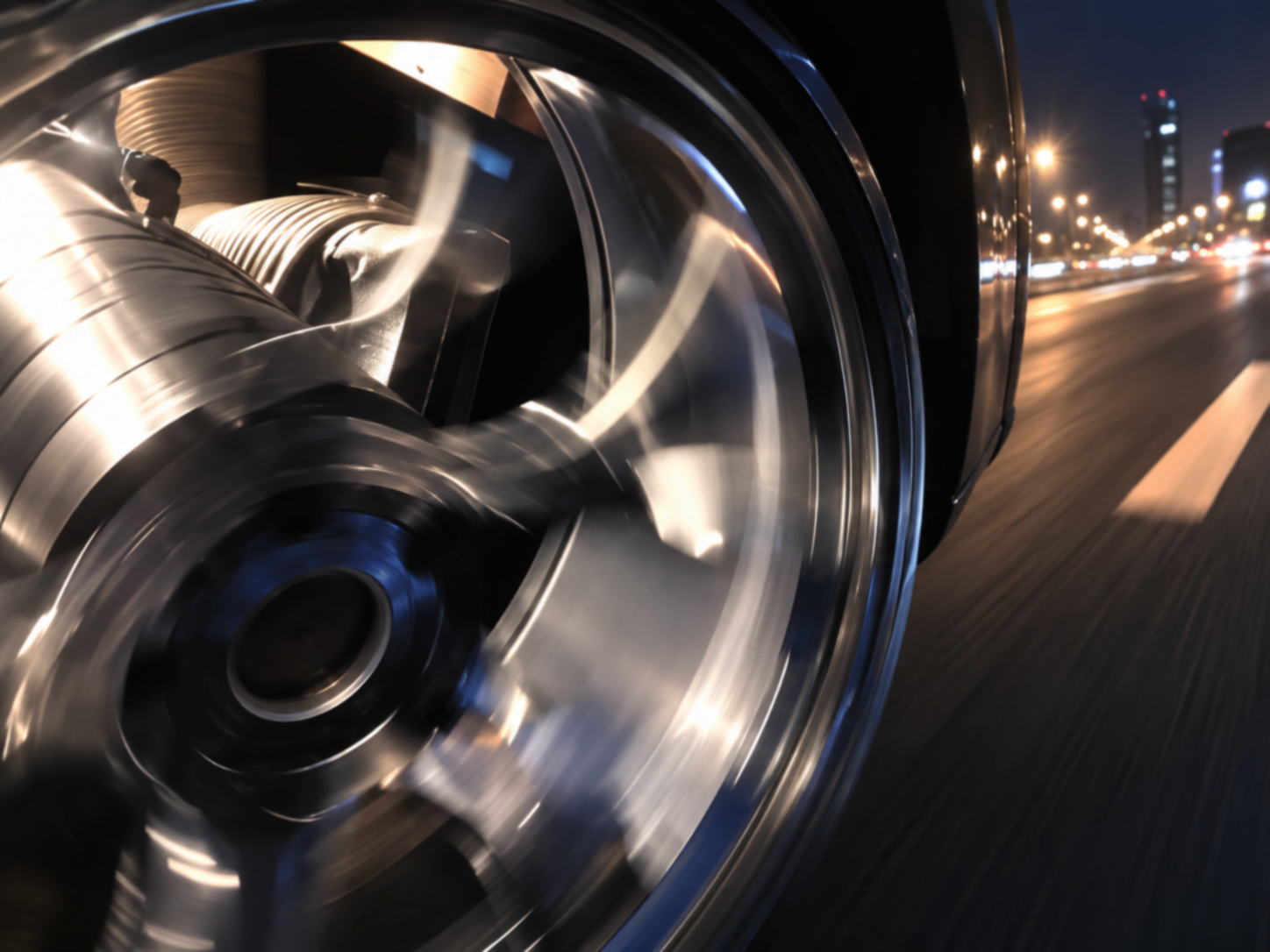
This test measures how well a wheel stands up to heavy loads applied in the radial direction, and whether repeated loading eventually causes metal fatigue. It runs on a test rig that reproduces the way a wheel rotates on an ordinary road surface.
WHEEL CORNERING FATIGUE TEST
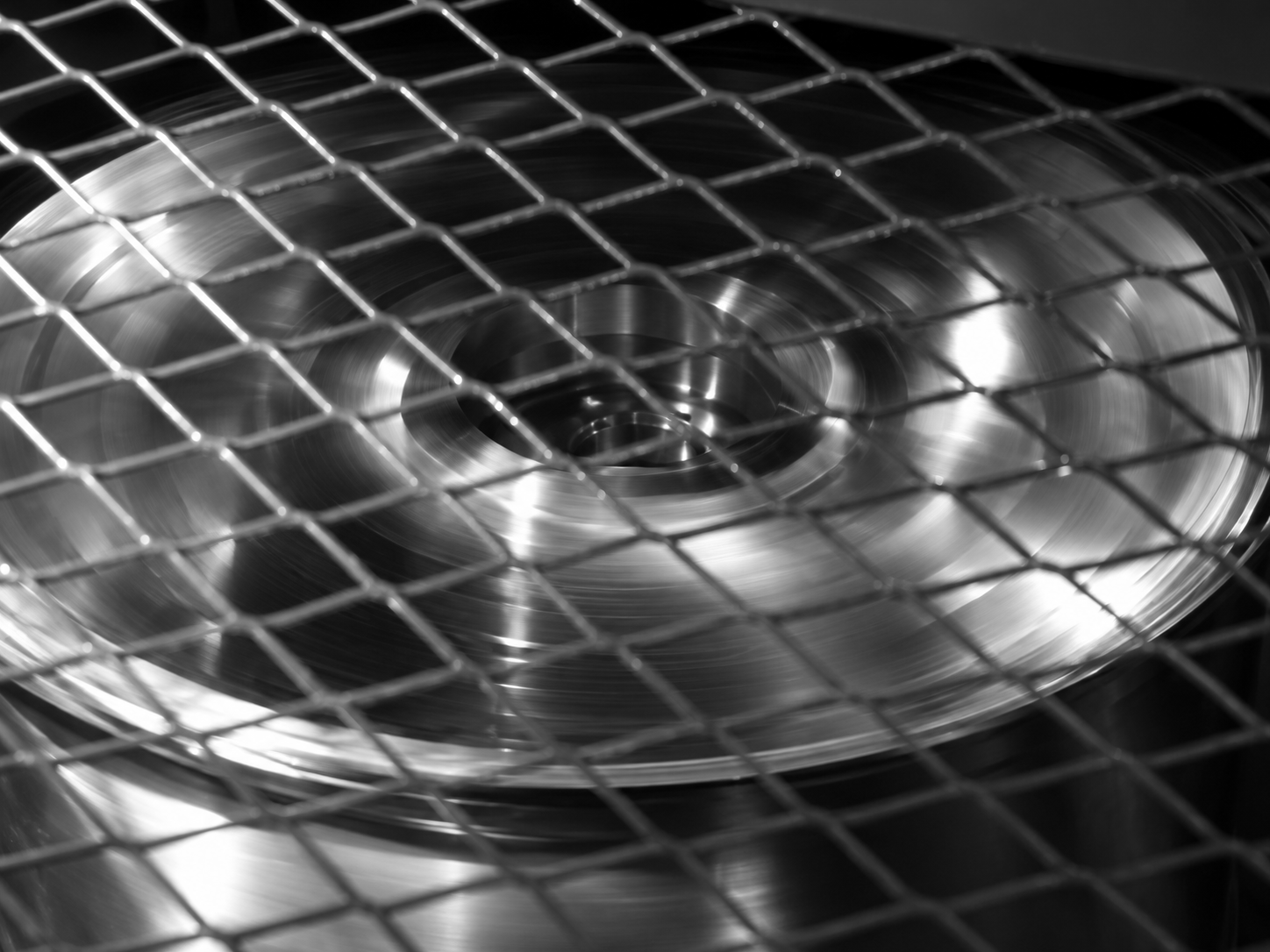
Here the load is applied from the side rather than the top, establishing how much lateral force the wheel can carry before repeated cycles begin to fatigue the metal. As with the radial test, the equipment simulates a wheel turning on an ordinary road surface.
IMPACT TEST MACHINE
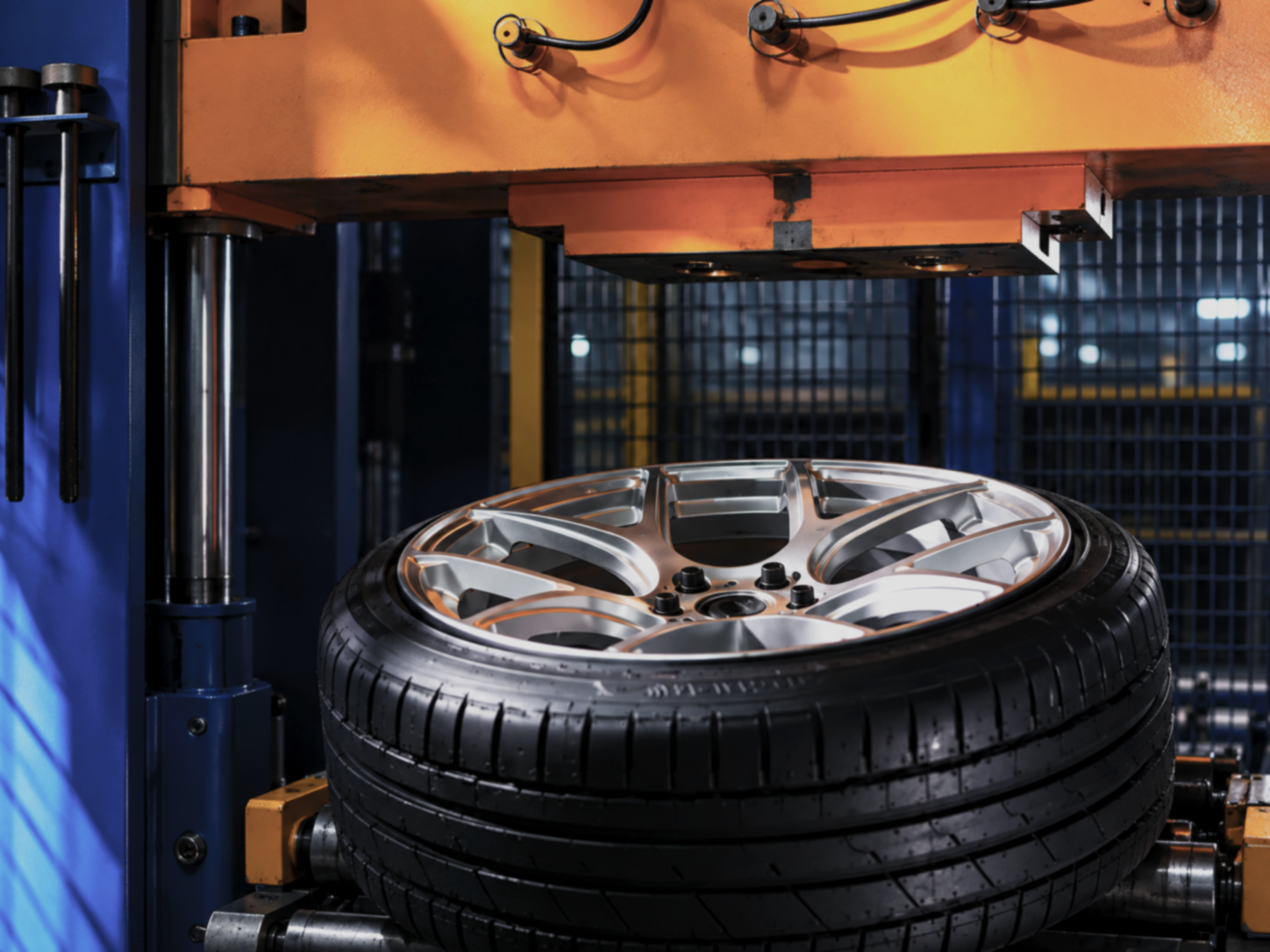
The impact rig reproduces the conditions a wheel meets on the road and assesses how it copes with a sudden blow, such as striking a pothole or a kerb. Any crack running through the material, or any loss of tyre pressure caused by the impact, is recorded during the test.
IMMERSION LEAK TEST MACHINE
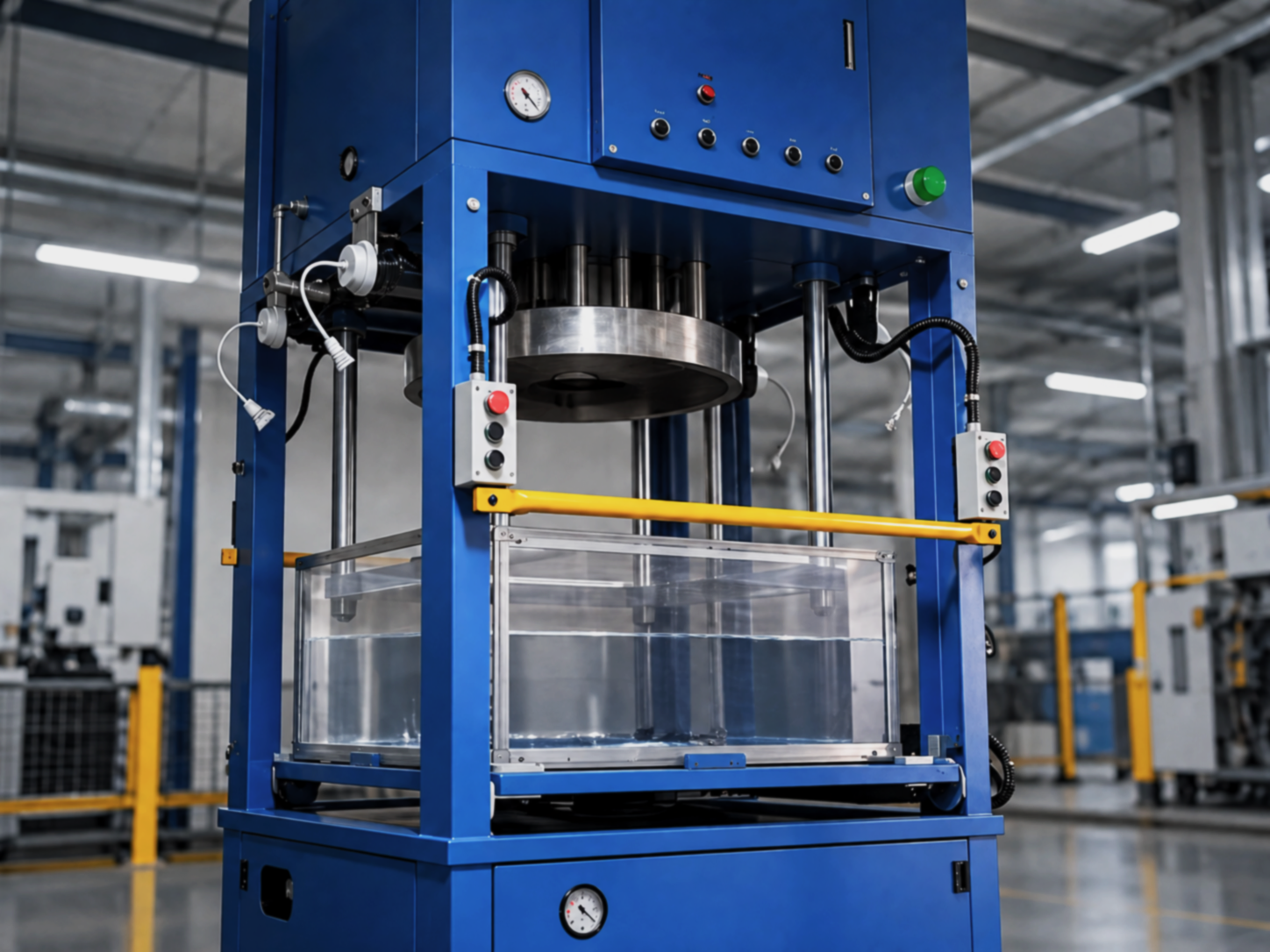
This test exists to catch any air leak around the valve stem. The wheel is lowered into a water tank while high pressure air is fed through the valve, and the water surface is watched closely: any escaping bubble immediately reveals a leak.