
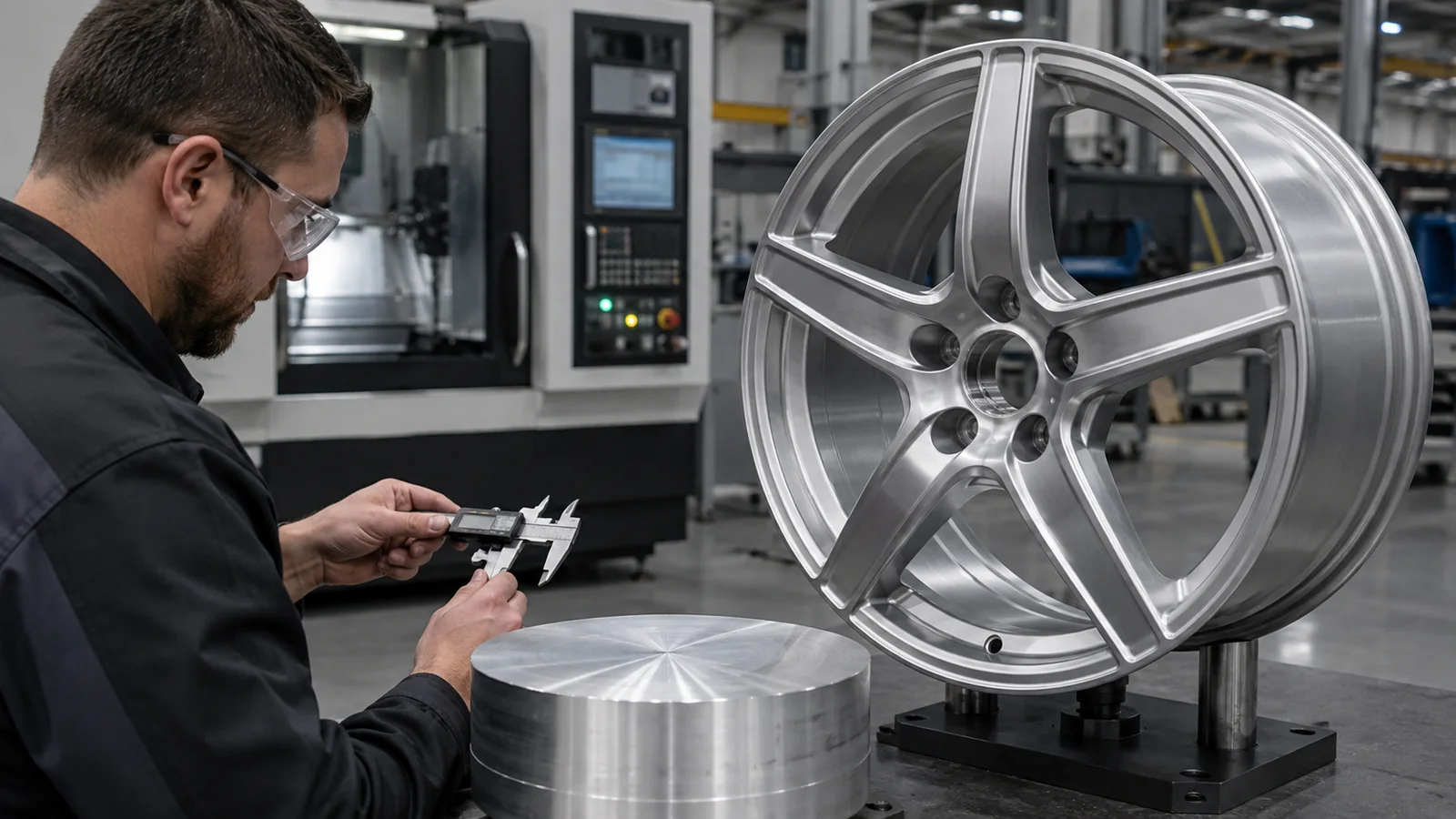
Lightweight Wheels: Why Weight Reduction Still Matters
Wheel weight remains an important engineering consideration because wheels form part of a vehicle’s rotating and unsprung mass.
Wheel trends change with styling, vehicle segments and enthusiast culture, but weight remains a persistent engineering consideration. Wheels are not static decorative parts. They rotate with the tire and form part of the vehicle’s unsprung mass, which makes their mass relevant to how the suspension and drivetrain respond.
This does not mean that every lighter wheel automatically improves a vehicle. Wheel design is a balance among mass, strength, stiffness, load capacity, durability, manufacturing process, cost and intended use. A wheel designed for a lightweight performance car faces different requirements from one intended for a heavily loaded pickup or overland SUV.
The interest in lightweight wheels is especially visible in performance applications. Reducing unnecessary mass at the wheel can be attractive because the component must both move vertically with the suspension and rotate as the vehicle accelerates and decelerates. Engineers therefore pay attention not only to total wheel mass, but also to how material is distributed through the wheel.
Modern manufacturing and design methods give wheel makers more ways to manage that balance. Cast, flow-formed and forged construction methods can produce different combinations of cost, geometry and material properties. Computer-aided engineering can also help designers place material where it is structurally needed rather than treating visual form and engineering as separate tasks.
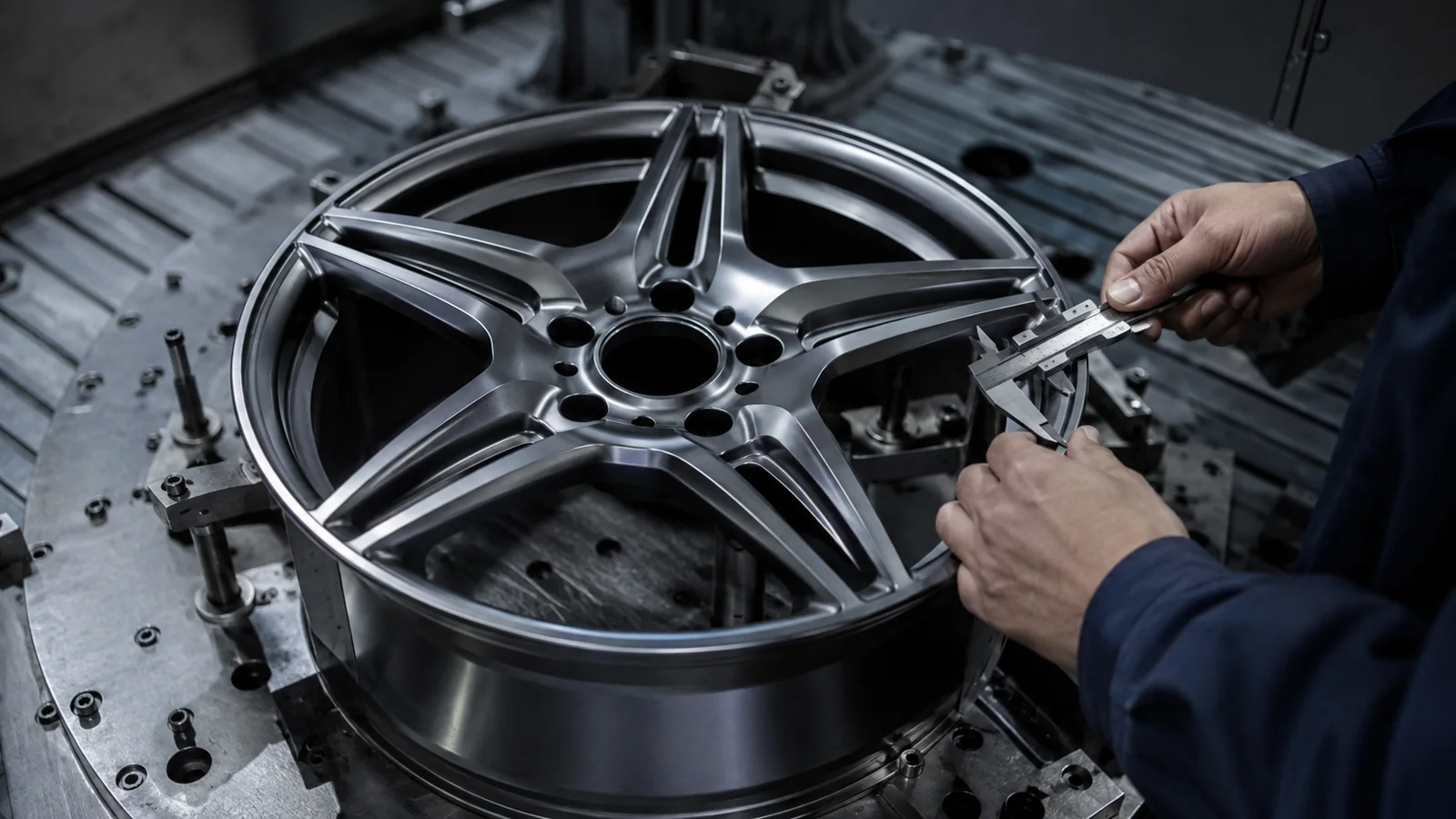
The growing variety of EVs, performance SUVs and powerful trucks makes the issue more complex. These vehicles can be heavy, produce substantial torque or use large brake systems. In those applications, reducing wheel mass must never come at the expense of the correct load rating, fitment or structural requirements.
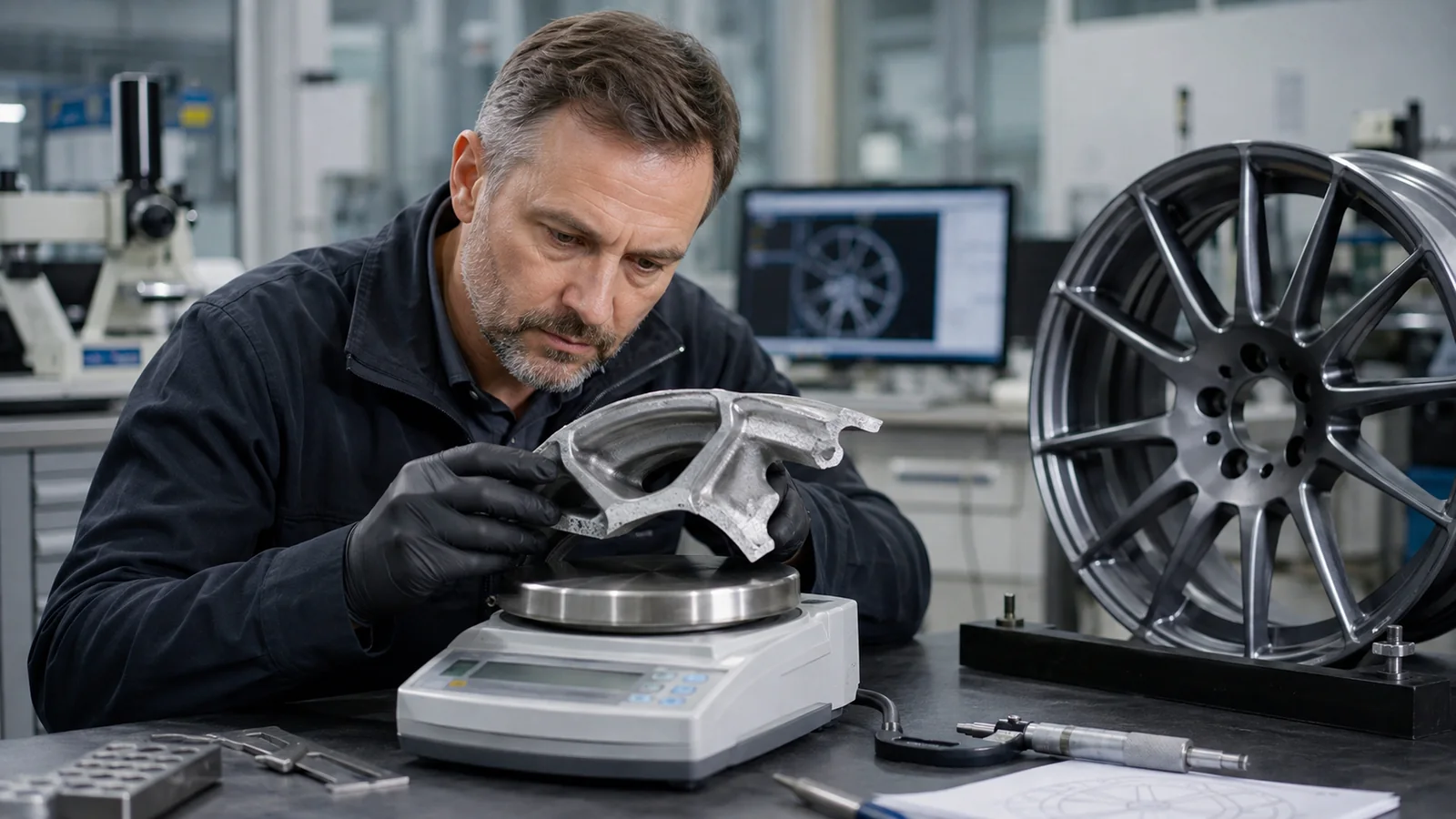
For consumers, the useful takeaway is that wheel weight should be considered in context. A low number on a specification sheet is not a complete measure of quality or suitability. The correct wheel must first be engineered and rated for the application. Only then does weight become one factor in comparing appropriate options.
That is why lightweight design remains relevant even as styles change. The objective is not simply to remove material. It is to use material efficiently while meeting the demands of the vehicle. In the best cases, engineering efficiency and visual design support each other rather than compete.
