


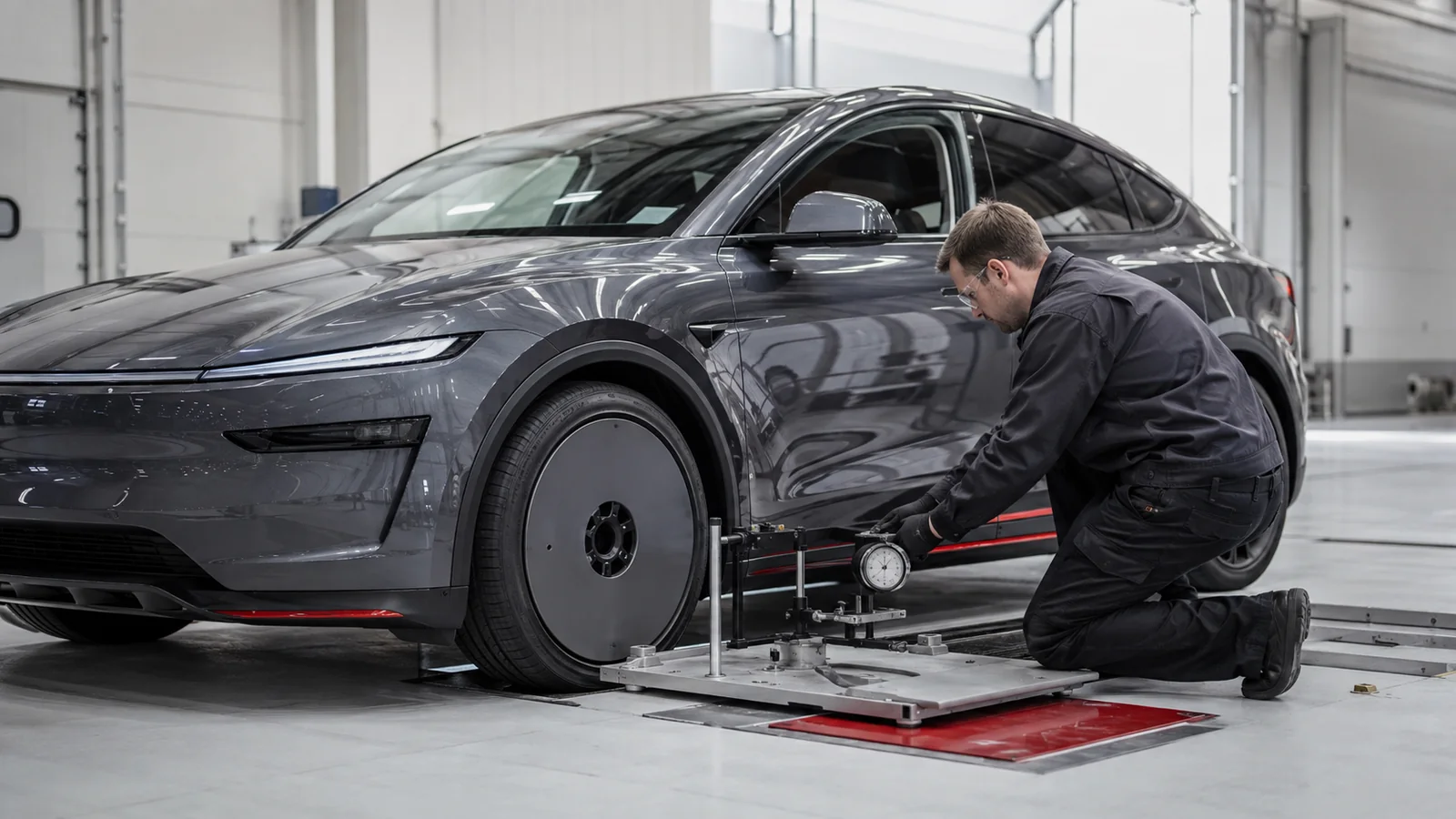
EVs Are Creating New Considerations for Aftermarket Wheels
Electric vehicles introduce new wheel considerations around vehicle mass, torque, efficiency, tire behavior, brake clearance and application-specific load requirements.
Electric vehicles are expanding the range of platforms available to the aftermarket. As more EVs enter daily use, owners are beginning to approach them in the same way enthusiasts have approached combustion vehicles for decades: as machines that can be personalized in appearance and, where appropriate, performance.
The wheel category is an obvious point of interest because wheels can change a vehicle’s character without altering its powertrain. But EVs also introduce engineering considerations that make application-specific selection especially important.
Vehicle mass is one factor. Battery packs can make some electric vehicles heavier than similarly sized combustion models, which places importance on wheel load capacity and the suitability of the complete wheel-and-tire package. A design that fits dimensionally is not necessarily appropriate if it does not meet the vehicle’s load requirements.
Torque is another consideration. Electric motors can deliver strong torque from very low speed, and the combination of vehicle mass and torque can influence tire wear and traction demands. SEMA has previously identified increased weight, torque, wear, rolling resistance and quiet operation as issues the wheel-and-tire industry will continue to address as EV adoption grows.
Efficiency also enters the discussion more directly. Wheel diameter, tire selection, wheel mass and aerodynamic characteristics can affect energy consumption. Original-equipment EV wheels often demonstrate how seriously manufacturers treat airflow and rolling efficiency. Aftermarket buyers may choose a more expressive design, but they should understand that changes to the wheel-and-tire package can affect more than appearance.

Brake clearance remains relevant even though regenerative braking changes how conventional brakes are used. Many EVs still employ substantial braking hardware because of vehicle mass and performance requirements. Internal wheel geometry and spoke clearance therefore remain application-specific considerations.
Finally, EVs broaden the meaning of performance styling. Some owners will prioritize efficiency and low mass; others will pursue a more aggressive stance or larger wheel package. There is no single “EV wheel” formula. The appropriate solution depends on vehicle specifications and owner priorities.
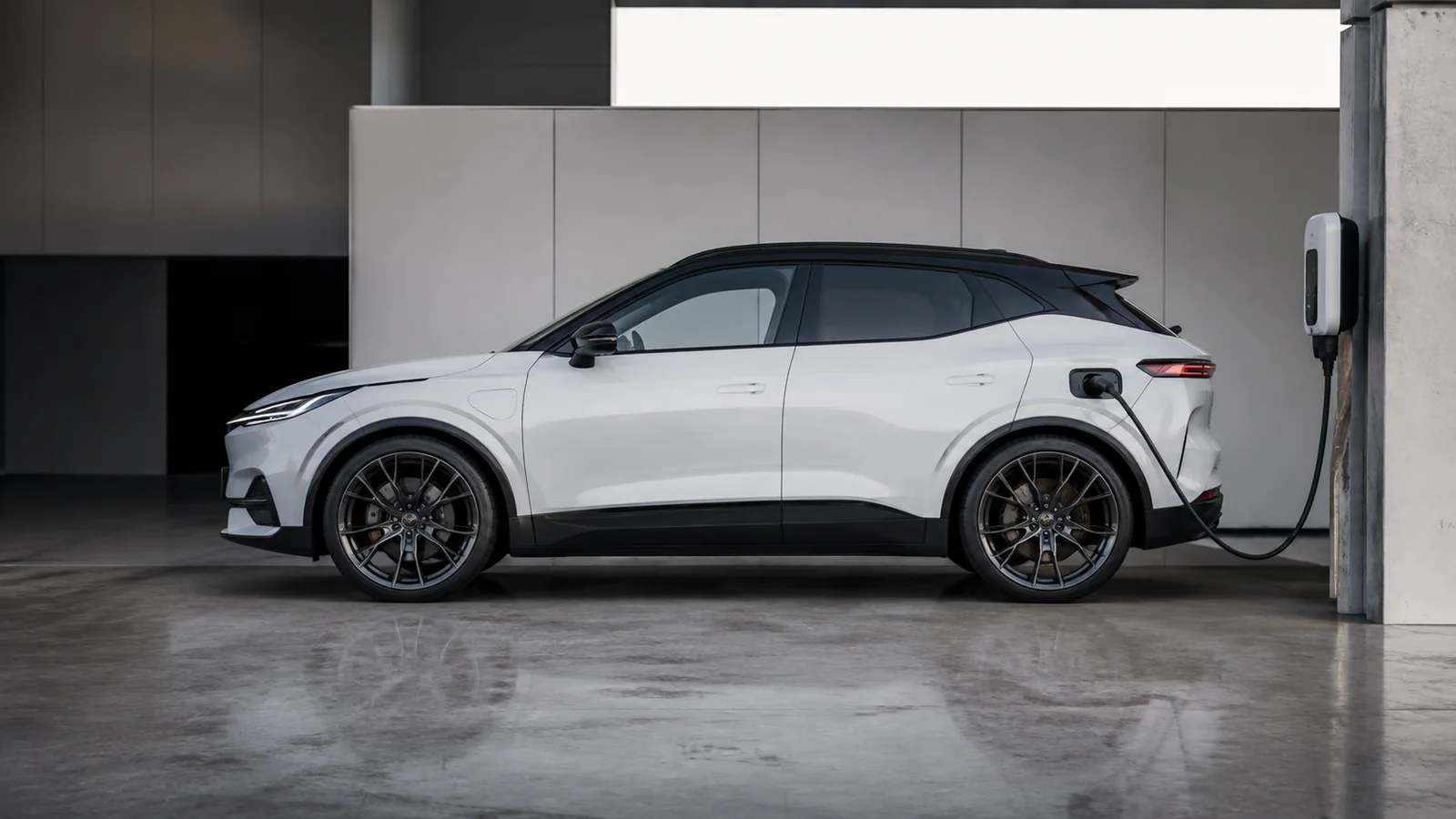
As the electric fleet grows, the aftermarket will need to provide clearer load, fitment and application information rather than simply adapting designs from combustion vehicles. Personalization will continue, but the engineering context is changing—and wheel selection must change with it.
