
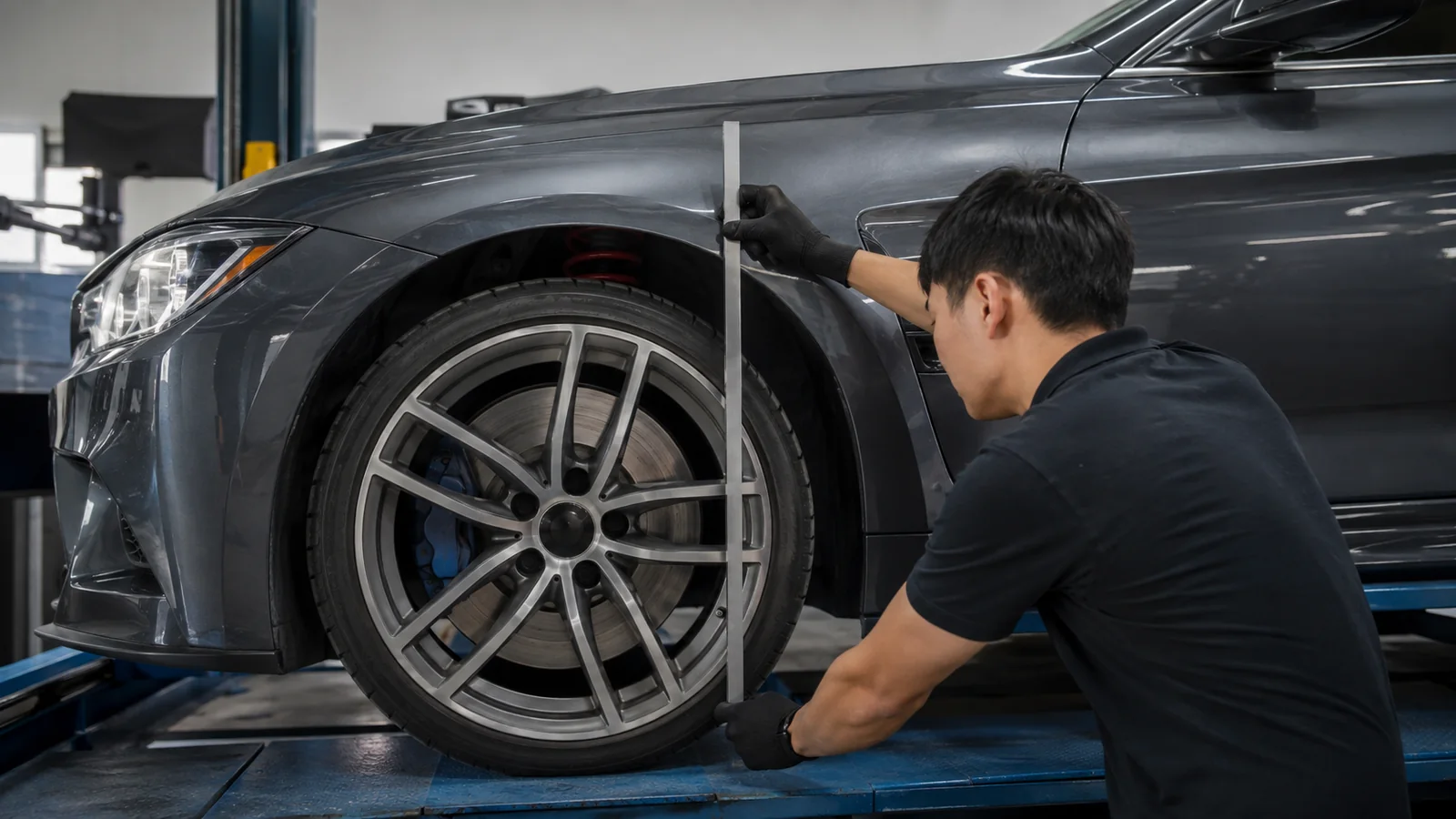
From Bigger Wheels to Better Fitment: How Buyer Priorities Are Changing
Aftermarket wheel buyers are looking beyond diameter and style toward width, offset, brake clearance, tire compatibility and complete-vehicle fitment.
Wheel diameter has always been one of the easiest ways to change a vehicle’s appearance. Larger wheels can visually fill the arches, expose more of the braking system and create a more aggressive stance. For a long period, “bigger” became a simple shorthand for an upgraded look.
The aftermarket conversation is now more nuanced. SEMA’s industry reporting has noted a shift away from larger-diameter, single-use wheel-and-tire combinations toward more versatile setups. At the same time, online buyers have access to far more fitment information than in the past. As a result, diameter is increasingly treated as one variable among many.
Wheel width and offset strongly influence where a wheel sits relative to the suspension and fender. Brake-caliper clearance depends on more than nominal diameter. Tire width and sidewall affect the complete package, while vehicle ride height can change the available space around the wheel and tire. These factors make “Will it fit?” a more complex question than matching a bolt pattern.
This technical awareness is changing visual preferences as well. Enthusiasts often talk about flush fitment, concavity, tire profile and stance as parts of one composition. Achieving that appearance without unwanted rubbing or interference requires more accurate information. In other words, better fitment has become part of better styling.
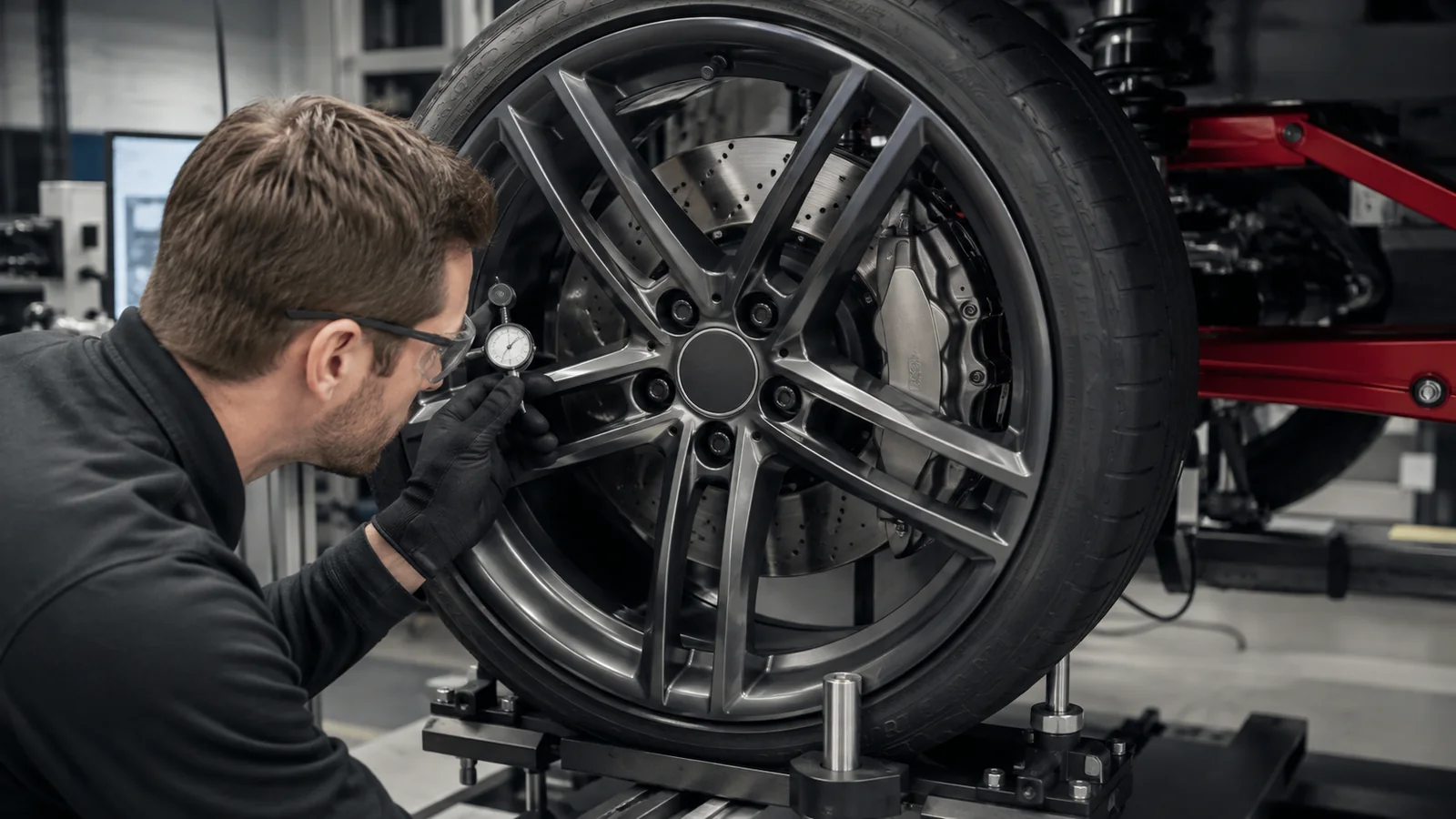
Modern brake systems reinforce the trend. Performance models, EVs and larger vehicles can use substantial brake packages. A wheel may have the correct diameter and bolt pattern yet still require the correct spoke profile and internal barrel clearance. This is why application-specific fitment data has become increasingly important for online wheel sales.
Suspension adds another variable. A lowered vehicle, lifted truck or adjustable coilover setup changes the context in which the wheel operates. The wheel and tire must clear components not only while parked, but also as the vehicle steers and the suspension moves.
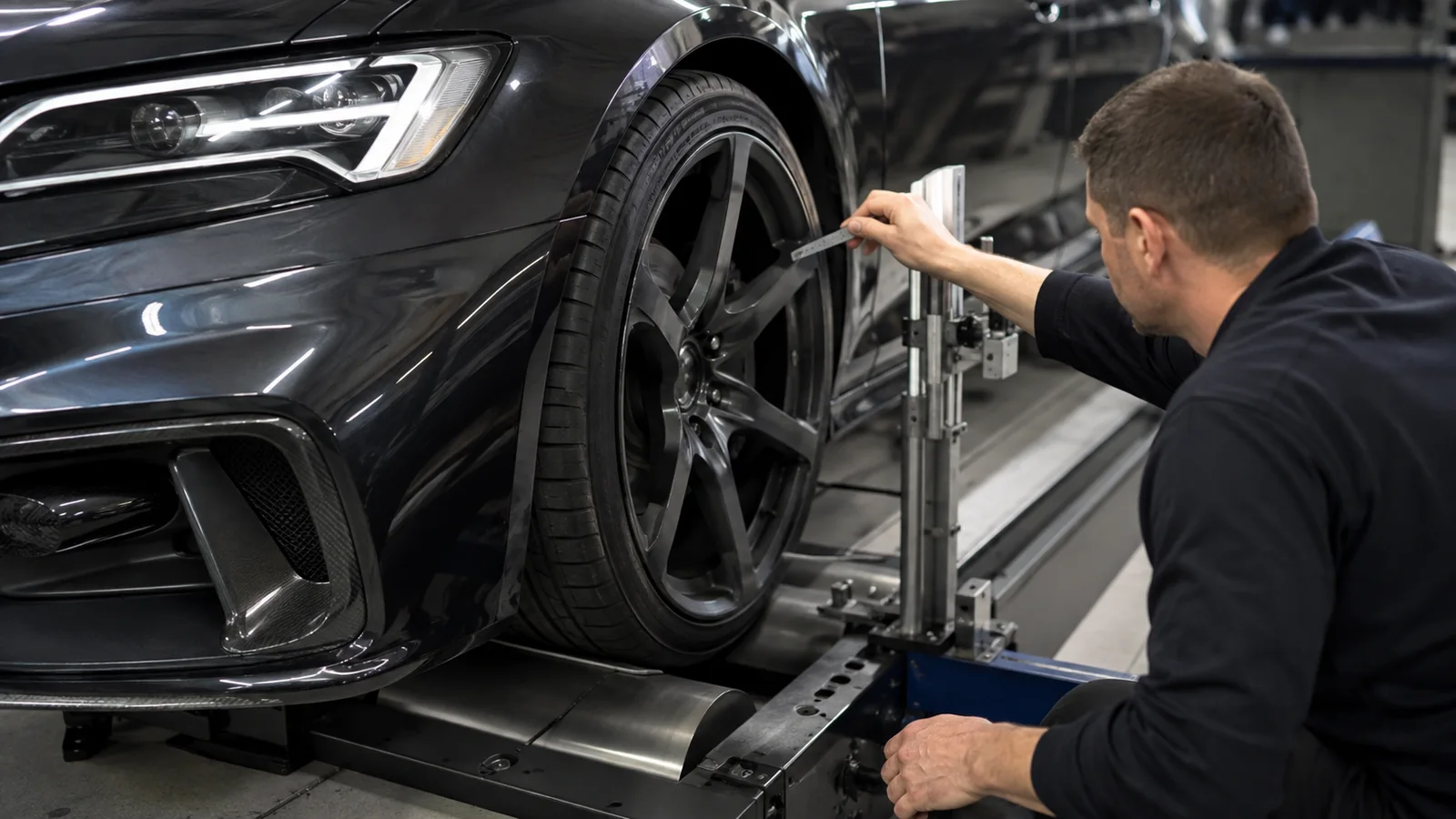
None of this means that enthusiasts have stopped caring about wheel size. Instead, the market is developing a more complete definition of a successful upgrade. Diameter, design and finish still create the first impression, but width, offset, tire choice, brake clearance and suspension compatibility determine whether that visual concept works on the vehicle. The priority is shifting from simply fitting a bigger wheel to building a better overall fitment.
