


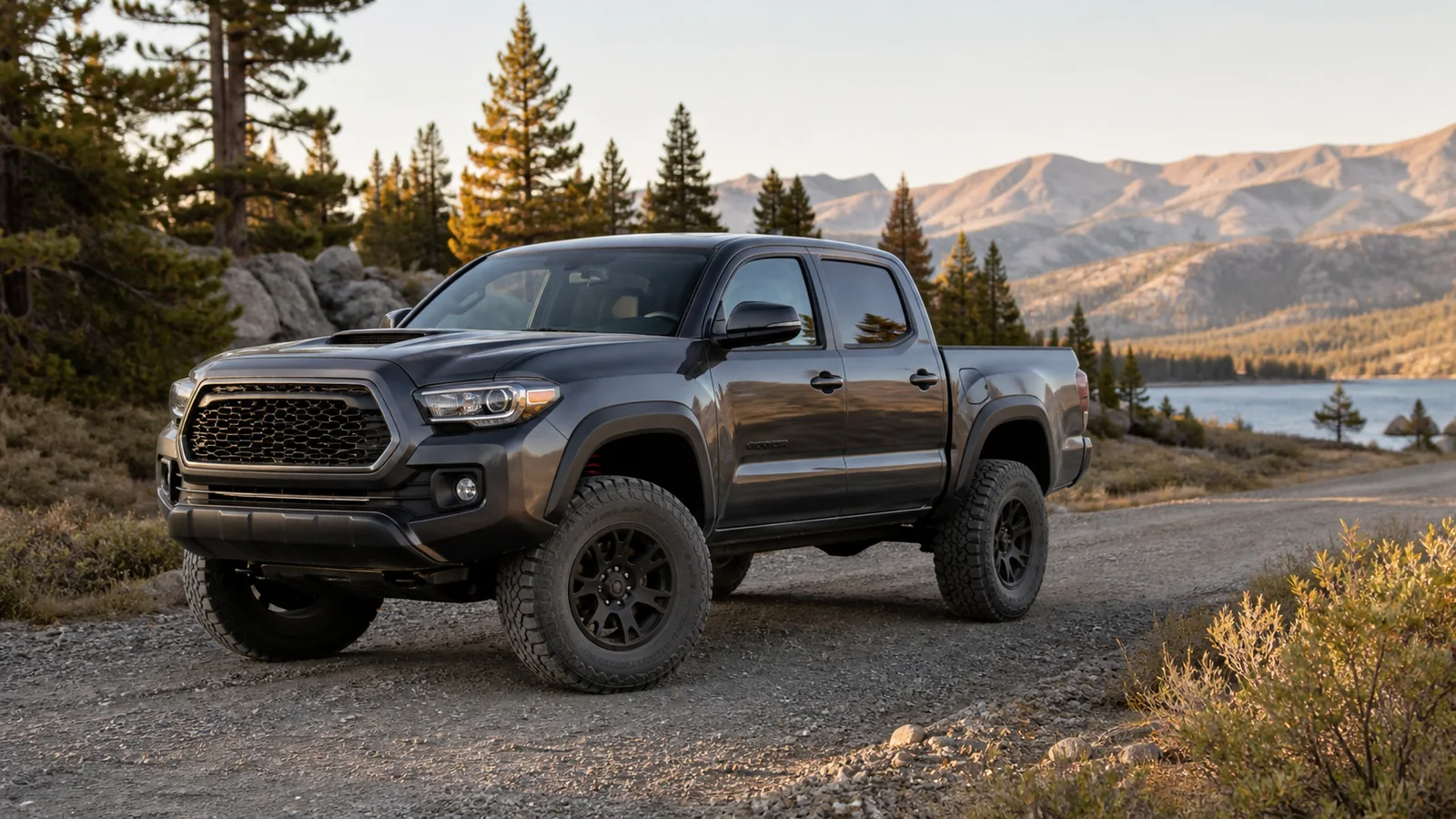
Why Multi-Purpose Wheel Setups Are Gaining Ground
See why aftermarket buyers are increasingly choosing wheel-and-tire setups that balance style, daily drivability and real-world capability.
For years, some of the most visible wheel trends were easy to describe: larger diameters, lower-profile tires and styling that made an immediate visual statement. That part of the market still exists, but it no longer tells the whole story. A growing share of enthusiasts now expect their wheel-and-tire choices to work across more than one type of driving.
SEMA’s industry reporting has identified a shift from larger-diameter, single-use wheel-and-tire combinations toward multi-use aftermarket setups. The change reflects a broader reality in the vehicle market. Pickups, SUVs and crossovers increasingly serve several roles at once: weekday transportation, family travel, outdoor recreation and, for some owners, off-road or overland use.
A multi-purpose setup does not have one universal specification. It is better understood as a different way of making the decision. Instead of choosing diameter primarily for visual impact, the buyer may consider how wheel size interacts with tire sidewall, road conditions, load, clearance and the intended suspension configuration. The goal becomes balance.

That balance is especially relevant in the light-truck market. A vehicle that spends most of its time on pavement may still travel on gravel roads, reach campsites or carry equipment on weekends. A highly specialized setup can introduce compromises that are unnecessary for that type of use. A more versatile combination can preserve a strong visual identity while keeping useful tire volume and real-world drivability.
The trend also changes how “performance” is interpreted. On a track-focused vehicle, performance may prioritize steering response, brake clearance and low unsprung mass. On an overland-oriented SUV, performance can mean durability, load support and the ability to maintain appropriate tire sidewall. On a daily-driven pickup, it may mean combining appearance with comfort and predictable road behavior.
Suspension choices are part of the same equation. Lifted, leveled and lowered vehicles each change the space available around the wheel and tire. Wheel width and offset can affect inner suspension clearance and outer fender position, while tire diameter can influence available space through steering and suspension movement. This makes a multi-purpose build less about following a single style trend and more about matching components to the vehicle’s actual use.

The result is a more considered aftermarket. Enthusiasts are still personalizing their vehicles, but many are asking a broader question than “What looks best?” They are asking what combination looks right, fits correctly and continues to work when the vehicle leaves its usual routine. That is why multi-purpose wheel setups are likely to remain an important part of the market.
