
How Pickup and SUV Culture Continues to Drive the Aftermarket
Pickup and SUV owners remain a major force in the U.S. aftermarket, supporting demand for wheels, tires, suspension and multi-purpose upgrades.
Pickups and SUVs have become the center of gravity for a large part of the U.S. specialty-equipment market. Their importance is not based on one modification trend. It comes from the fact that these vehicles can be work tools, family transportation, tow vehicles, recreational platforms and off-road machines—sometimes all within the same ownership cycle.
SEMA’s 2026 Market Report shows how significant the segment has become. Pickup modifications accounted for 30% of the specialty-equipment market in 2025, and pickup owners spent more than $15 billion on parts and accessories. When pickups and SUVs are combined, they represented 43% of the $52.92 billion accessory and performance-parts market.
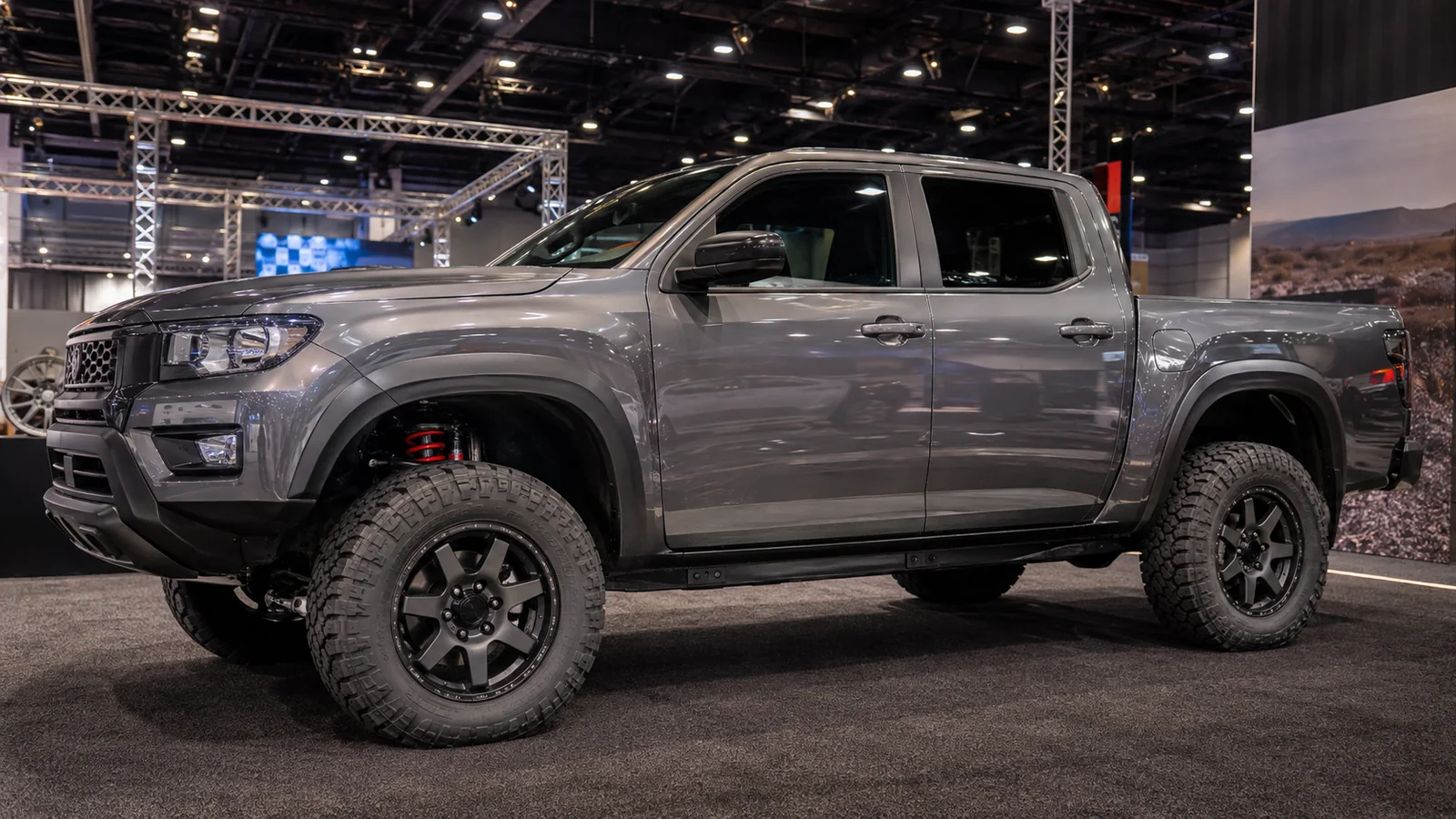
Wheels, tires and suspension are closely connected to this activity. SEMA reports that pickup applications represent a major share of suspension demand, while wheels and tires can act as a gateway to additional personalization. The reason is easy to understand: changing ride height and wheel-and-tire proportions can transform both the appearance and capability of a truck.
SUVs add another dimension. More than six million SUVs were modified in the United States in 2025, according to SEMA, with owners spending more than $7 billion on parts and accessories. Crossovers are also becoming relevant to recreation-focused modification, expanding the potential audience beyond traditional body-on-frame off-road vehicles.
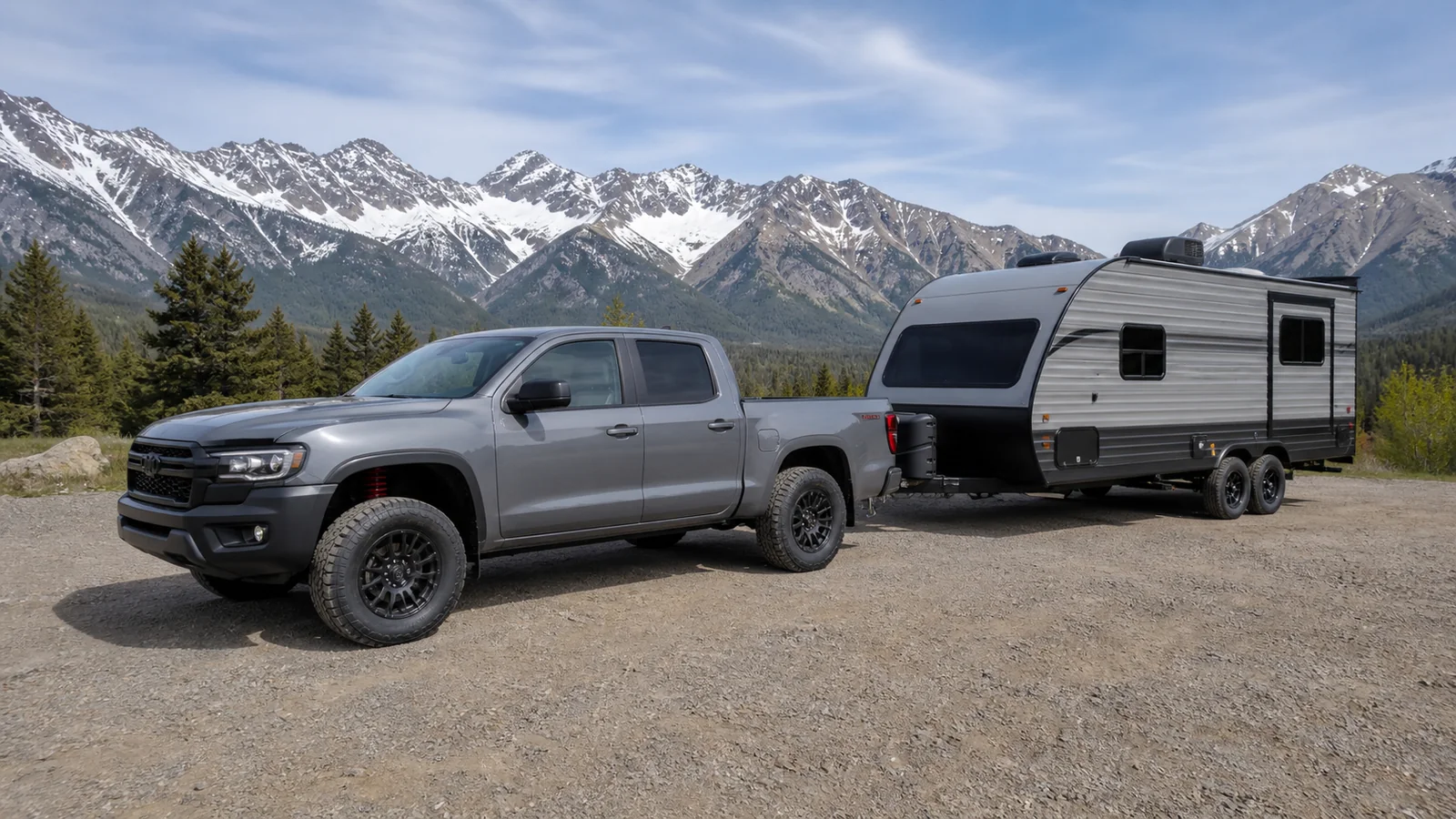
Off-road culture reinforces the trend. SEMA reports that 26% of pickup accessorizers and 21% of SUV accessorizers use their vehicles for off-road activities. Even owners who rarely tackle difficult terrain may be influenced by the visual language of off-road vehicles: additional ground clearance, more substantial tires and rugged wheel designs.
The market is therefore broader than “truck accessories.” It includes street-oriented lowered pickups, performance SUVs, overland builds, tow vehicles and daily-driven crossovers with mild adventure modifications. Each use case places different demands on wheels and suspension.
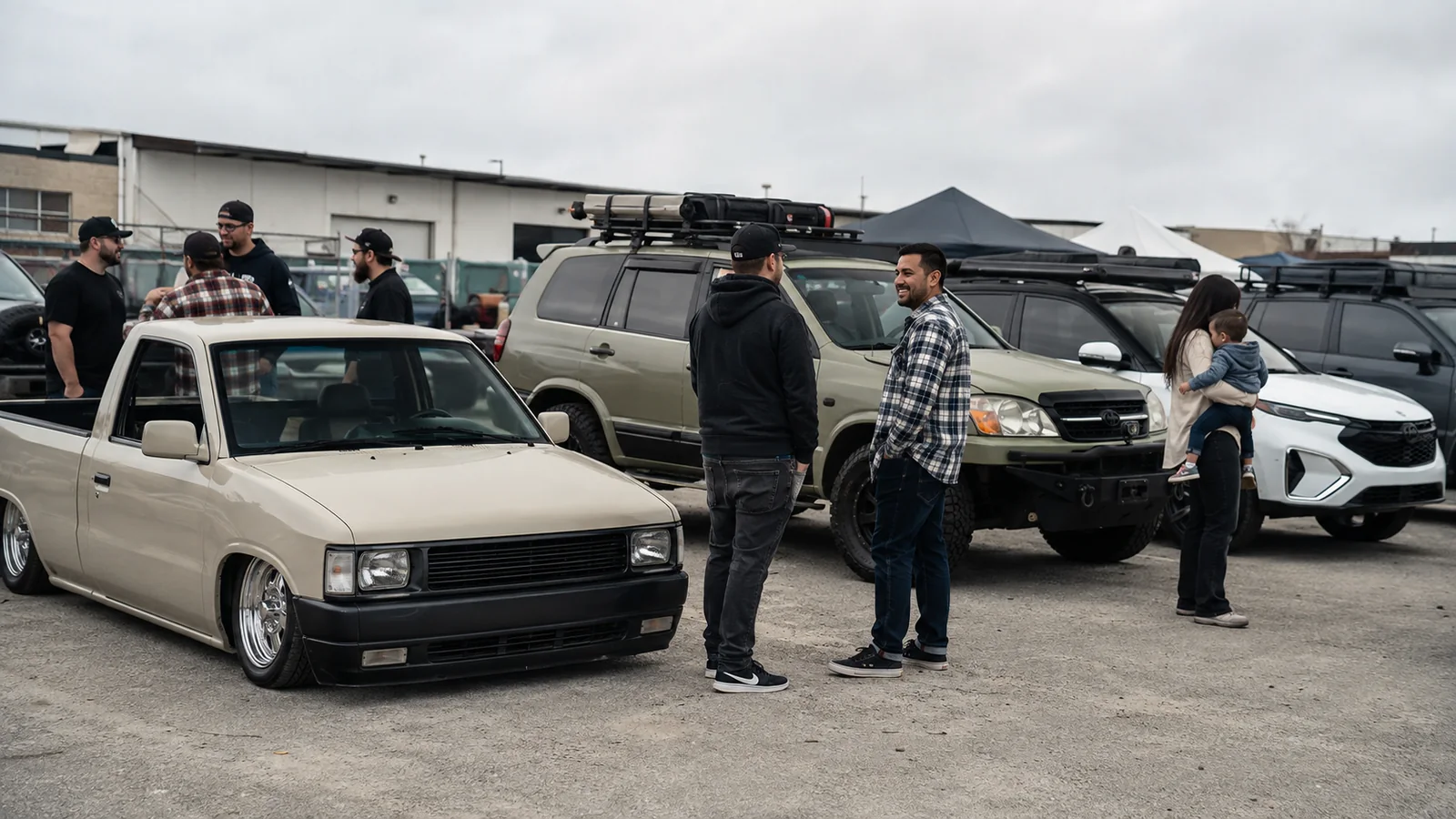
This diversity is why pickups and SUVs remain important to aftermarket brands. They provide large, visible platforms for personalization, and owners can continue modifying them as their needs change. For wheel and suspension companies, the opportunity is not simply to follow the popularity of trucks, but to understand the different ways those vehicles are actually used.
